End-of-month reporting still has value.
But it is no longer enough.
Businesses are moving faster than traditional reporting cycles can support. By the time a month-end report is reviewed, the issue may already be expensive. Inventory may be wrong. Service backlogs may have grown. Margins may have shifted. Customers may already be frustrated.
Real-time ERP changes that model.
Instead of waiting for reports after the fact, teams can see live operational data as work happens. That turns ERP from a historical reporting system into an active decision platform.
The Problem With Month-End Visibility
Month-end reporting gives leaders a snapshot.
The problem is that snapshots are delayed.
A report may show what happened last month, but it cannot prevent what is happening right now. That delay matters in businesses with service teams, inventory movement, billing cycles, and customer-facing operations.
A dealer might learn that order delays increased last month. Useful information, yes. But real-time ERP can show the delay while it is happening. That gives managers a chance to respond before it affects profitability or customer trust.
That is the core difference.
Month-end reporting explains the past. Real-time ERP helps manage the present.
Why Real-Time Data Matters More in 2026
The pressure for live data is rising because businesses now depend on connected workflows.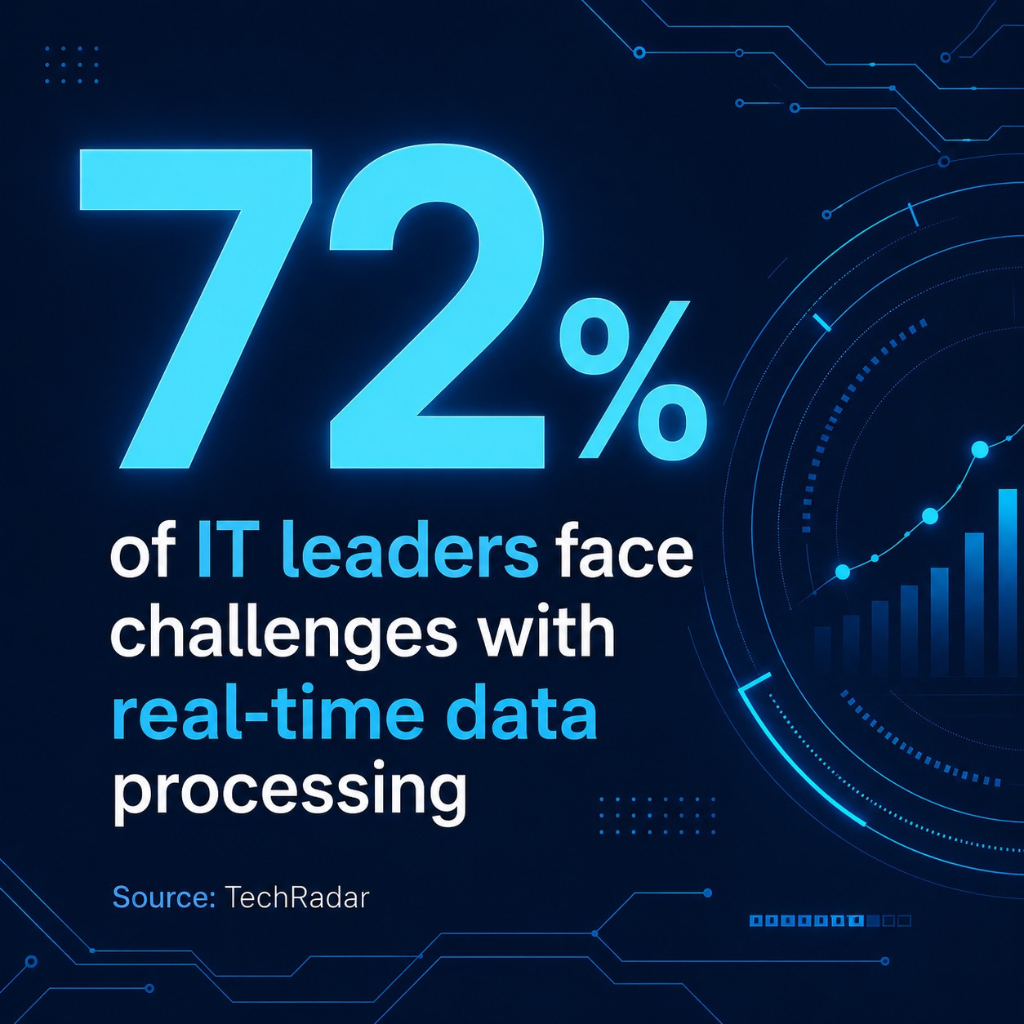
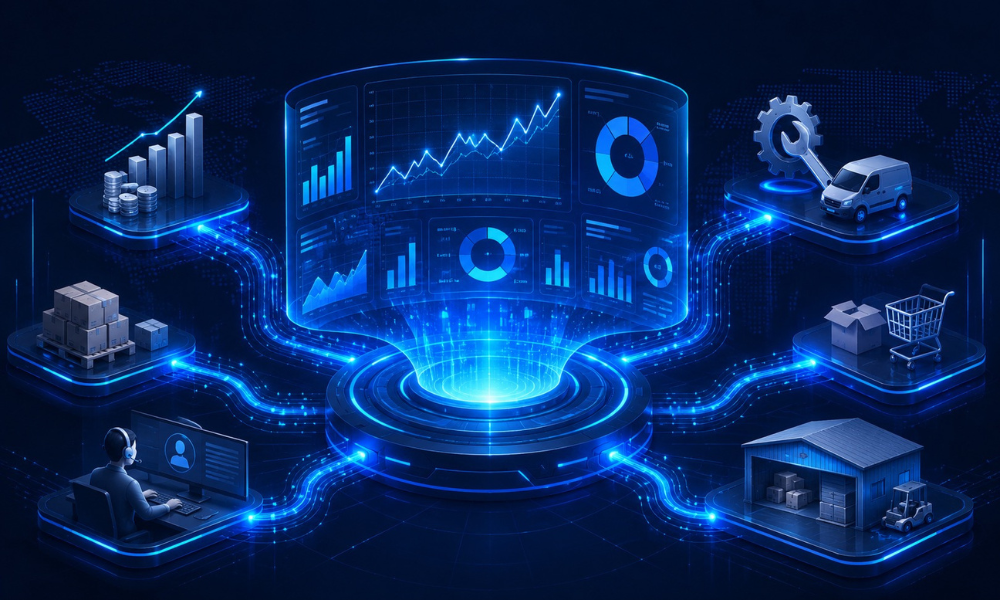
ERP is no longer isolated. It connects finance, sales, inventory, service, billing, dispatch, eCommerce, and customer records. When those workflows move in real time, reporting must move in real time too.
TechRadar reported in 2026 that Confluent found 72% of IT leaders face challenges with real-time data processing. That matters because poor real-time data limits AI, automation, reporting, and operational decision-making.
This is exactly why modern ERP platforms are becoming more important.
The issue is not just reporting speed. It is operational readiness.
Real-Time ERP Creates Operational Awareness
Real-time ERP helps teams monitor what is happening across the business.
That includes:
- Open orders
- Inventory levels
- Service tickets
- Dispatch status
- Billing exceptions
- Cash flow
- Customer activity
- Margin changes
This visibility creates faster action.
For example, service leaders can see technician workload before delays build. Finance can identify billing exceptions before invoices stall. Operations can monitor inventory before shortages affect fulfillment.
The goal is not more dashboards.
The goal is better decisions at the point of work.
Static Reports Cannot Support Automated Workflows
Automation depends on current data.
If ERP data is delayed, automation becomes risky. A system cannot confidently route work, trigger alerts, or recommend action when the underlying information is stale.
Real-time ERP supports automation by keeping workflows current.
When inventory changes, the system updates availability. When a service ticket is created, the workflow can route it. When a billing exception occurs, finance can review it quickly. When demand shifts, leaders can respond sooner.
This is where real-time ERP becomes more than reporting.
It becomes workflow infrastructure.
The Market Is Moving Toward Live Analytics
The investment trend is clear.
Fortune Business Insights reported in 2026 that the global data analytics market is projected to reach $104.39 billion in 2026. That growth shows how strongly businesses are investing in faster, smarter, data-driven operations.
Grand View Research also reported that the business intelligence software market is projected to grow at a 9.3% CAGR from 2026 to 2033, reaching $81.45 billion by 2033. The report notes that real-time analytics helps organizations monitor operations, detect irregularities, and respond faster.
These trends point in the same direction.
Businesses want visibility while decisions still matter.
Real-Time ERP Improves Dealer Operations
For dealers, the benefits are practical.
Real-time ERP can help teams move faster across service, sales, finance, and inventory. It gives each department access to the same live operational truth.
That matters when customers expect speed and accuracy.
A customer does not want to wait while teams reconcile spreadsheets. A service manager does not want outdated ticket data. A finance team does not want billing issues discovered weeks later.
Connected ERP reporting reduces those gaps.
It gives teams shared visibility before small issues become larger problems.
Better Visibility Also Improves Accountability
Real-time ERP creates clearer ownership.
When work moves through connected workflows, leaders can see where delays happen. They can identify bottlenecks, track exceptions, and measure performance more accurately.
This changes the reporting conversation.
Instead of asking what went wrong last month, teams can ask what needs attention today.
That shift improves accountability without creating unnecessary blame. The system shows the workflow. Leaders can respond with better data and less guesswork.
Over time, that improves process discipline.
It also improves customer experience.
Month-End Reporting Still Has a Role
Real-time ERP does not eliminate month-end reporting.
It changes its purpose.
Month-end reporting remains useful for financial close, compliance, trend analysis, and executive review. But it should not be the first time leaders discover operational problems.
Modern ERP should support both needs.
Real-time dashboards help teams act during the month. Month-end reports help leaders review performance after the month closes.
The best businesses use both.
They do not rely on delayed reporting as their main source of operational truth.
The Bottom Line
End-of-month reporting is not disappearing.
But it is losing its role as the primary decision tool.
Businesses need live visibility into operations, customers, inventory, service, and finance. Real-time ERP gives teams that visibility. It helps them act sooner, reduce manual reporting, and respond before problems grow.
In 2026, the competitive advantage is not just having data.
It is having the right data while there is still time to use it.