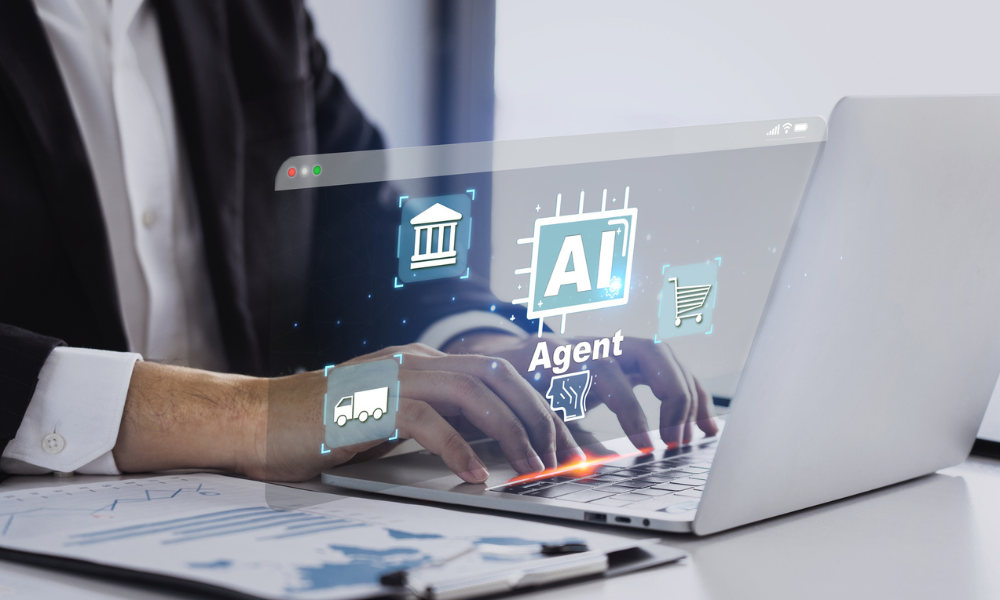
Generative AI Agents are redefining what’s possible in ERP. No longer limited to rigid automation, today’s systems can analyze, predict, and evolve in real-time. Organizations are increasingly demanding tools that go beyond following rules—they expect technology to reason, react, and adapt intelligently.
As modern operations become more intricate and interconnected, traditional static workflows often fall short. This is where Generative Business Process AI Agents (GBPAs) step in, offering adaptive automation capable of learning from patterns, handling exceptions, and optimizing processes on the fly. These agents represent a leap toward smarter, faster, and more resilient enterprise operations.
What Are Generative Business Process AI Agents (GBPAs)?
GBPAs are autonomous software entities embedded inside ERP systems. They use generative AI—large language models, planning modules, and multi-agent orchestration—to tackle complex workflows. Unlike rule-based automation, they interpret user intent, generate dynamic solutions, and coordinate specialized sub‑agents across multiple tasks.
An academic study presents FinRobot—a GBPA framework for finance ERP. This system reduced processing time by 40% while cutting error rates by 94%. It also improved regulatory compliance through intelligent reasoning, risk mitigation, and parallel task orchestration (arXiv).
Why GBPAs Matter in Modern ERP
- Autonomy Over Static Rules: Traditional ERP relies on rigid workflows—inefficient for dynamic processes. GBPAs plan and adapt, handling exception cases and branching logic naturally.
- Task Decomposition Across Agents: GBPAs split tasks among specialists. One agent may draft a financial report, another handle approvals, and yet another manage compliance logging—all working in sync.
- Intent Understanding: Users can request outcomes in natural language—like “Generate March budget report”—and agents interpret that request, generate workflows, and act robustly.
Real‑World Examples and Use Cases
- Finance and Compliance: In the FinRobot example, GBPAs handled wire transfers and reimbursement workflows. Tasks that once required manual intervention are now completed with minimal human input.
- ERP Implementation Support: Organizations adopting generative AI-driven ERPs, such as Dynamics 365 Copilot, benefit from synthetic data generation, automated templates, and scenario modeling (Wikipedia, AIMultiple).
- Strategic Planning and Simulation: GBPAs can run “what-if” models, simulate demand spikes, or assess procurement strategies by generating multiple outcome scenarios. For example, a supply chain agent simulates responses to supplier delays or tariff changes.
The Agentic Paradigm Shifting ERP
McKinsey, Deloitte, and BCG all point to shifts toward “agentic AI”—systems that orchestrate autonomous agents rather than assume static flows (TechRadar). This shift pushes ERP from a command-and-control hub to a dynamic collaboration platform. ERP becomes a trusted “source of truth,” with agents layering decision logic and execution on top (CIO).
Adoption Trends and Business Momentum
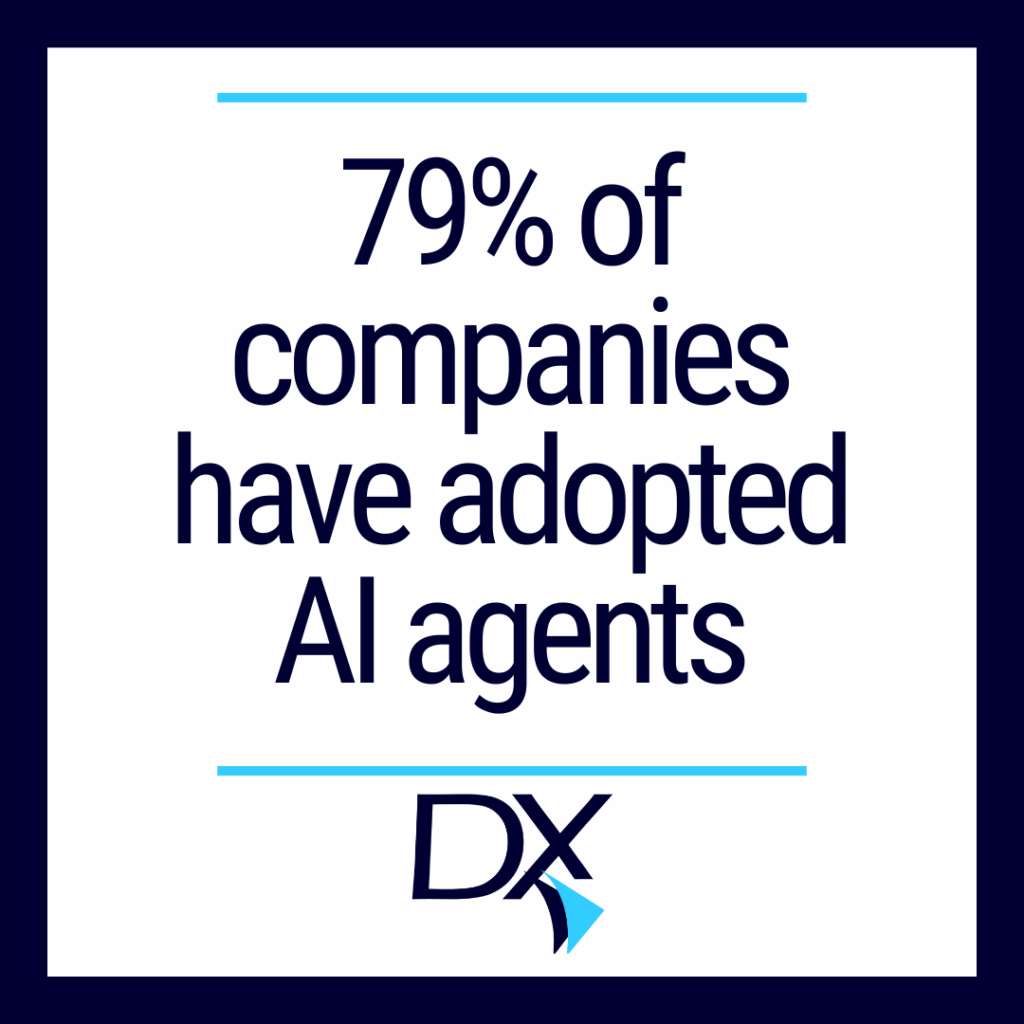 Agent adoption is growing fast. PwC reports that 79% of companies have adopted AI agents, and 66% report measurable productivity gains (PwC). Another survey finds leaders expect agentic AI to drive future workplace transformation, with 88% planning to boost budgets, highlighting massive commitment (PwC).
McKinsey estimates that by 2028, 15% of workplace decisions may be autonomously handled by agents—up from zero today (Amazon Web Services, Inc.).
Challenges and Considerations
- Data Quality and Governance: GBPAs rely on clean data. If ERP data is inconsistent, agents may hallucinate or misroute workflows.
- Security and Compliance: Autonomous agents require access controls, explainability, and audit capabilities. Financial institutions must ensure agents log decisions clearly and transparently.
- Avoiding Siloed Agents: TechRadar notes siloed agent deployments hurt collaboration. To maximize ROI, organizations must integrate agents via unified orchestration layers (arXiv, TechRadar).
- Change Management and Trust: People must trust agent actions. Dashboards and human-in-the-loop checkpoints help build confidence and ensure critical decisions remain overseen.
Future Outlook for ERP + GBPAs
- Human‑Agent Teams: Agents will handle routine segments of workflows while humans focus on zone-of-judgment tasks. Training will include supervising agents responsibly.
- Embedded Assistance: ERP dashboards will host conversational agents that guide users through tasks—like suggesting invoice templates, adjusting budgets, or flagging anomalies.
- Scalability By Design: Since agents are code, not custom features, firms can scale use cases across departments instantly with configuration, not code changes.
- Generative Insights: Agents simulated in release scenarios can test expansion strategies, pricing shifts, and supply disruption responses—before changes launch live.
Summary of Stat Highlights
| Statistic | Insight |
|---|---|
| 40% processing reduction | FinRobot study found GBPAs shave nearly half processing time (IT Pro, arXiv) |
| 94% error rate drop | FinRobot agents greatly reduce human error in workflows (arXiv) |
| 79% agent adoption | Most companies now use AI agents in business workflows (PwC) |
| 66% improved productivity | Two-thirds report measurable gains from AI agents (PwC) |
Generative AI Agents represent the next frontier of ERP modernization. They shift automation from rigid rules to adaptive, reasoning systems. Early examples like FinRobot demonstrate impressive gains. As adoption accelerates, ERP systems equipped with agents will transform operations, decision-making, and strategic execution.
Bridging generative AI and ERP through agentic platforms promises faster, smarter, and safer enterprise automation.