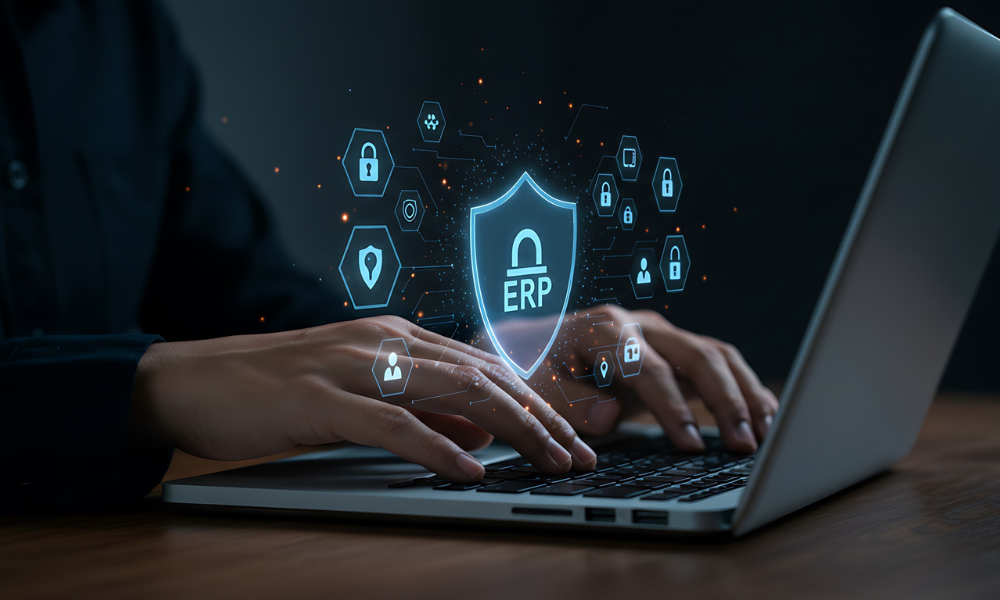
Data is the new currency—and it’s under constant attack. As companies adopt digital tools and remote operations, cyber threats increase in frequency and complexity. Enterprise Resource Planning (ERP) systems, which centralize everything from financials to customer data, have become high-value targets.
A single breach can cause millions in damages and erode stakeholder trust. According to IBM, the average cost of a data breach now exceeds $4.45 million. For businesses operating without robust ERP cybersecurity, the risk isn’t theoretical—it’s imminent. To compete in today’s digital economy, organizations must ensure that their ERP systems aren’t just powerful but secure.
Built-In Security from the Ground Up
Modern ERP platforms integrate cybersecurity features into their architecture. Role-based access controls limit system exposure by giving users only the data they need. These controls enforce least-privilege principles, reducing the chance of accidental leaks or internal abuse.
Encryption adds another layer of protection. ERP systems encrypt data at rest and in transit, making intercepted information unusable to bad actors. Built-in firewalls and security protocols further isolate critical applications. Regular updates and patches ensure that known vulnerabilities are quickly addressed—reducing the risk of exploits before damage is done.
For example, ERP systems using AES-256 encryption create a nearly impenetrable barrier against brute force attacks. This type of encryption is considered the gold standard by cybersecurity experts and government agencies alike.
Threat Detection and Real-Time Monitoring
Waiting until after a breach to act is a costly mistake. Today’s ERP systems include real-time monitoring tools that flag unusual behavior. These systems use AI to detect anomalies in user access, transaction patterns, and system activity.
If suspicious behavior is identified—such as a user accessing data outside of business hours—the system can trigger alerts or lock access immediately. This proactive defense minimizes the window of opportunity for attackers. According to a report by Verizon, 68% of breaches go undetected for months. With ERP-level monitoring, companies reduce detection time from months to minutes.
Compliance and Audit Readiness
Regulated industries require meticulous audit trails and strict access controls. ERP systems simplify compliance by automating logging and tracking every user interaction. Every login, file access, and approval action is time-stamped and stored securely.
This level of detail streamlines audits and makes compliance reporting faster and more accurate. Whether it’s HIPAA, SOX, GDPR, or PCI-DSS, modern ERP platforms help companies stay compliant. System administrators can generate compliance reports on-demand, reducing the overhead and complexity of manual tracking.
A survey by PwC found that companies using automated compliance tools cut audit prep time by 55%—a massive savings in both cost and labor.
Securing Remote Workforces and BYOD Environments
The rise of remote work and Bring Your Own Device (BYOD) policies expands the attack surface. ERP systems help mitigate this by enforcing multi-factor authentication (MFA) and IP restrictions. Secure portals ensure that sensitive operations aren’t exposed to public networks.
Mobile device management (MDM) integrations allow IT teams to monitor and secure employee devices connected to the ERP environment. If a device is lost or compromised, access can be revoked immediately. These safeguards maintain system integrity even in decentralized environments.
Cloud-based ERP platforms also offer geo-fencing, allowing access only from approved locations or devices. This reduces the likelihood of unauthorized access from external actors.
Third-Party Integrations Without Compromise
Many businesses extend ERP systems with third-party apps or connectors. While this adds functionality, it also introduces security risks. Leading ERP platforms include vetted integration frameworks with strict API governance.
These frameworks ensure that third-party tools adhere to the same security protocols as the core system. Permissions are tightly controlled, and data flows are encrypted. If an integration attempts unauthorized actions, system alerts notify IT teams in real time.
Regular audits of integrated applications help maintain a clean and secure ERP ecosystem. By minimizing the risk introduced by third-party code, businesses retain full control over their digital infrastructure.
Business Continuity Through Disaster Recovery
Even the most secure systems need contingency plans. ERP platforms include disaster recovery features that back up critical data automatically and frequently. In case of an attack or system failure, businesses can restore data quickly and resume operations with minimal downtime.
Data backups are often stored in multiple locations, both on-premise and in the cloud. These redundant storage methods ensure that even a catastrophic event won’t result in permanent data loss. Recovery time objectives (RTOs) and recovery point objectives (RPOs) are optimized to meet business continuity goals.
A recent Gartner report showed that companies with ERP-based disaster recovery plans resumed operations 40% faster than those without them.
Cybersecurity as a Business Imperative
Cybersecurity is no longer an IT problem—it’s a boardroom priority. ERP systems sit at the heart of every operation, and their protection must be non-negotiable. Organizations that invest in ERP security gain more than peace of mind; they build trust with customers, partners, and regulators.
As threats evolve, so must defenses. By choosing an ERP system with comprehensive cybersecurity features, businesses ensure that their operations remain resilient, their data protected, and their growth sustainable.
A secure ERP platform doesn’t just support your business—it shields it from the threats that could derail it.