



ERP is where intent becomes money.
It is also where mistakes become findings.
Agentic AI changes the game because it can act.
It can post journals, create vendors, release payments, and ship orders.
That is amazing, and terrifying.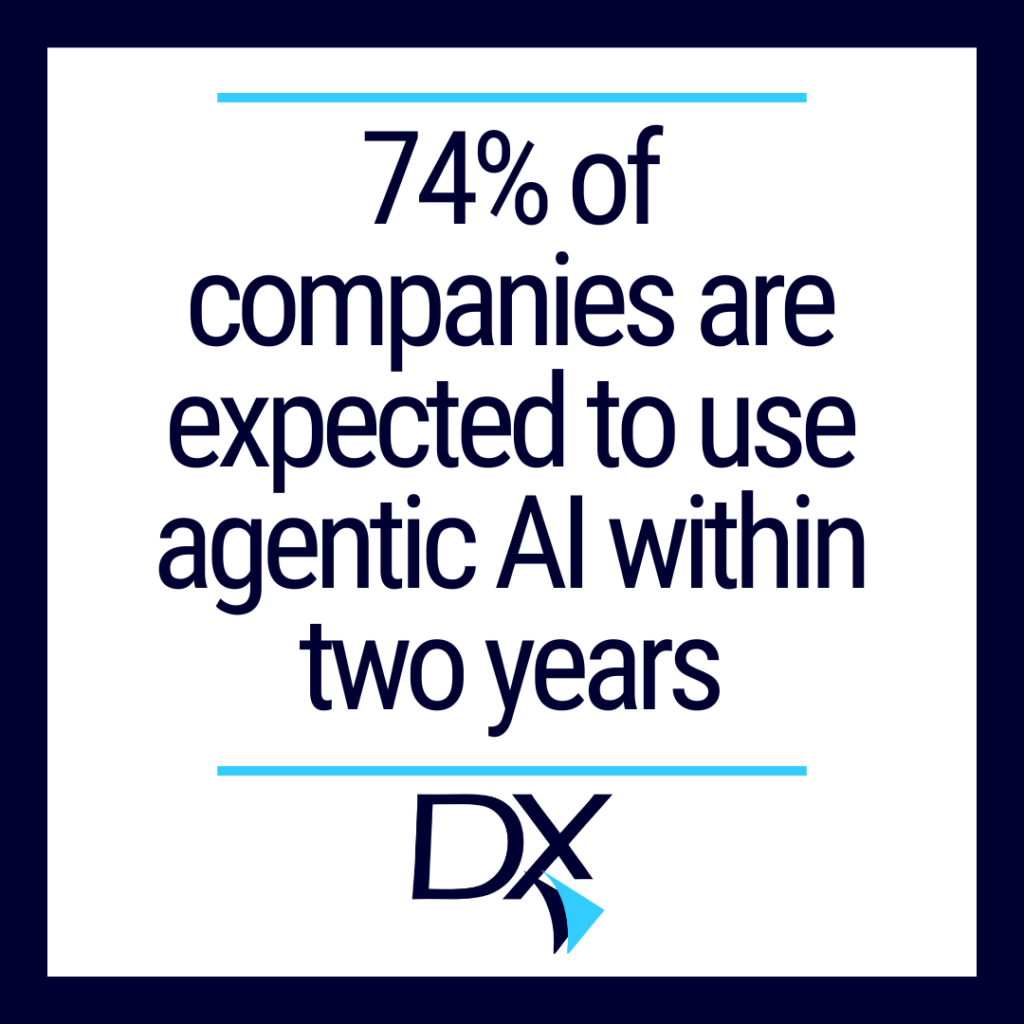

In 2026, AI agents are moving fast inside enterprises.
Deloitte reports 23% of companies use agentic AI at least moderately today.
They expect that number to reach 74% within two years.
But only 21% report a mature governance model for autonomous agents.
That gap is the whole problem.
And it is exactly what “guardrailed AI” is meant to close.
In this post, we design a control pattern that auditors can love.
We will ground it in approvals, SoD, and audit trails.
We will also make it usable for real operators.
Core Goals For Guardrailed AI In ERP
A compliant design has four non-negotiables.
- Explainability for every material action.
- Policy grounding that ties action to a rule.
- Dual control for risky steps.
- Immutable logs that prove what happened.
We are not trying to slow teams down.
We are trying to keep speed inside safe lanes.
The Control Surface: Where Agents Touch The Ledger
Start by mapping “agent touchpoints” in ERP.
- Master data: vendors, customers, items, price lists, bank accounts
- Financial posting: GL journals, AP bills, AR invoices, allocations
- Cash movement: payment runs, refunds, credit memos
- Security: role changes, access grants, integration keys
- Operational release: PO approval, shipment confirmation, inventory moves
These are your high-impact objects.
They are also your highest audit risk objects.
Architecture: Agent, Policy, Workflow, Log
A guardrailed setup is not a single feature.
It is an architecture.
Agent Runtime With A Narrow Job
Give the agent a bounded scope.
Define what it can draft, and what it can execute.
A helpful pattern is “draft by default.”
The agent prepares work items for humans to release.
Policy Engine That Decides, Not The Model
Policies should be deterministic and versioned.
They should not live inside prompts.
Think in simple rules:
- If vendor is new, require two approvals
- If payment exceeds threshold, require finance plus controller
- If user and approver match, block due to SoD conflict
- If GL account is sensitive, require justification and attachments
Every policy needs a stable identifier.
Auditors love identifiers.
Workflow Gates With Dual Control
Dual control means two independent actors.
For AI, that usually means: agent plus human.
But it can also mean: two humans, with the agent assisting.
The key is independence.
Immutable Audit Log With Full Provenance
Logging is not just “who clicked approve.”
We need “why this action was allowed.”
Your log needs:
- Actor identity, including service principal
- Request payload, with redaction rules
- Policy evaluation result, with policy version
- Approvals chain, including timestamps
- Execution result, including ERP record IDs
- Evidence pointers, like attachments and snapshots
Approvals: Make Them Explainable, Not Just Routed
Classic approvals route work.
Guardrailed approvals also explain work.
For each approval, generate an “approval packet” that is consistent.
Include:
- Summary of what will happen
- Materiality scoring, like dollars and risk tier
- Policies triggered, with short plain language reasons
- SoD check output, including conflicts found or cleared
- Data lineage, like source documents and upstream records
- Diff view, showing what changed
Keep the packet short.
Put the deep evidence behind expandable links.
This helps approvers act faster.
It also helps auditors test faster.
SoD: From Static Roles To Transaction Level Separation
SoD is often implemented as role separation.
That is necessary, but not sufficient for agents.
Agents can create new paths around static SoD.
For example, they can create a vendor, then draft a bill.
A human may only see the bill.
So we need transaction level SoD checks.
We also need identity binding for every step.
Practical SoD Checks For Agentic ERP
- Maker checker: creator cannot be final approver
- Vendor bank change requires independent verification
- Payment release requires approver outside requestor chain
- Role changes require security plus audit approval
- Journal entry above threshold requires controller review
These checks should be enforced by workflow gates.
They should not be “review later” items.
Policy Grounding: Turn Prompts Into Citable Rules
Auditors do not audit prompts.
They audit controls.
So we translate “AI intent” into policy grounded actions.
The Policy Grounding Pattern
- Agent proposes an action plan.
- Policy engine evaluates the plan.
- Engine returns allowed steps and required gates.
- Agent rewrites the plan to comply.
- Workflow executes only policy approved steps.
This matters because it shifts authority.
The model assists, but the policy decides.
It also makes outcomes reproducible.
Same inputs, same policy, same gate results.
Dual Control: Where To Require It In ERP
Dual control should be risk based.
Not everything needs two humans.
A clean approach is to define “risk tiers.”
Tier Examples
Tier 0: Read-only and summaries.
Tier 1: Drafting transactions, no posting.
Tier 2: Posting with low dollars, low sensitivity.
Tier 3: Posting with high dollars, or sensitive objects.
Tier 4: Cash movement, access changes, bank data changes.
Tier 3 and Tier 4 should always have dual control.
Tier 4 often needs two humans.
Your policy engine should assign the tier.
Then the workflow applies the gates.
Immutable Logs: Make Evidence Hard To Argue With
An auditor wants to answer three questions.
- What happened
- Who approved it
- What prevented abuse
Mutable logs create doubt.
Doubt creates expanded testing.
So we design for immutability.
Implementation Options
- WORM storage with retention policies
- Append only event store with hash chaining
- External log sink with signed entries
- Periodic notarization of log hashes
The best pattern is layered.
Store operational logs in your SIEM.
Store control logs in an append only evidence store.
Then anchor daily digests to tamper evident storage.
Microsoft’s guidance on immutability highlights that immutability periods cannot be shortened once set.
That is exactly the posture auditors expect for evidence retention.
Explainability: Prove The Decision Path, Not Just The Output
Explainability is often treated like a model feature.
In ERP controls, it is a system feature.
We want to explain the control decision.
Not the model’s internal weights.
What We Log For Explainability
- Inputs that drove the decision, with redactions
- Policies evaluated, with pass fail results
- Thresholds used, like amounts and categories
- Approval outcomes, with identities and timestamps
- Exceptions invoked, with rationale and owner
This makes the workflow testable.
It also makes it defensible.
Auditor View: Map Controls To What They Test
If we want clean audits, we should speak auditor language.
Common Audit Tests This Design Supports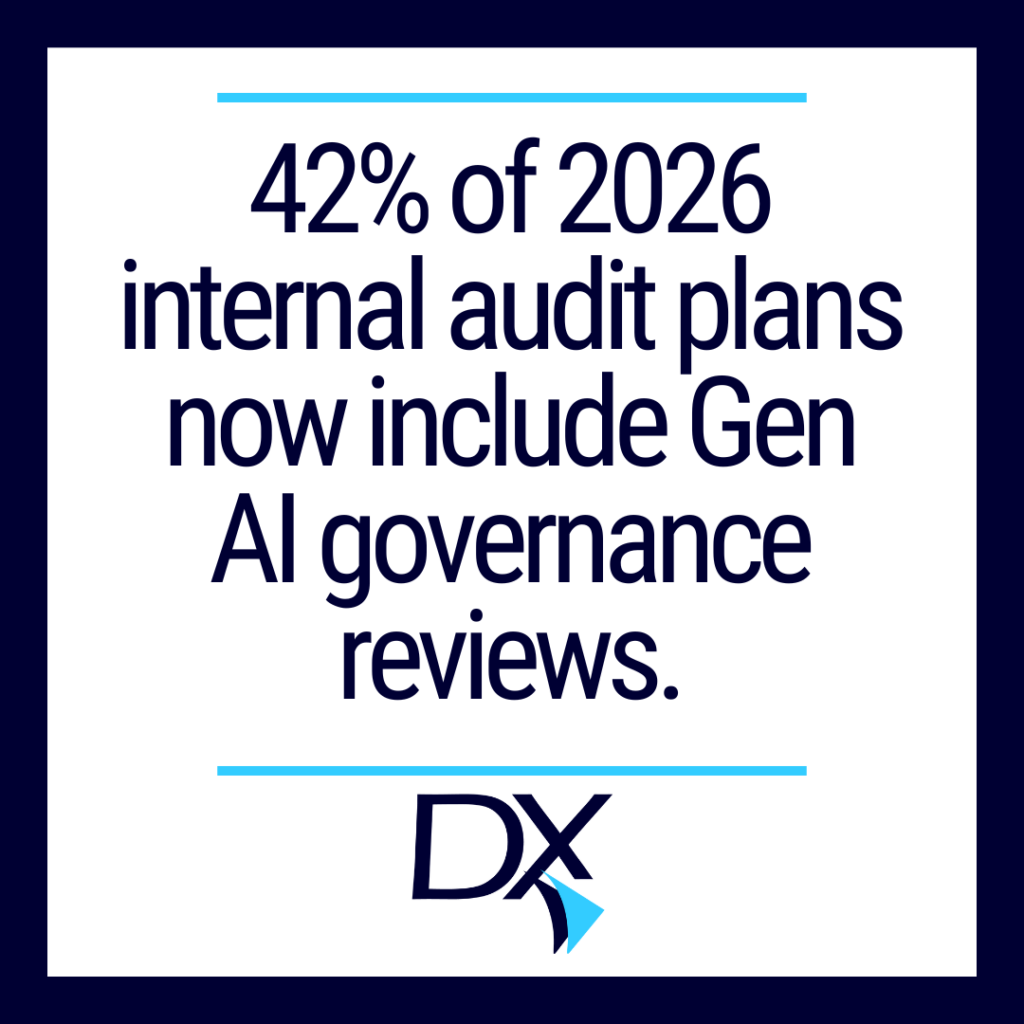

- Completeness: all in scope actions are logged
- Accuracy: log links to the exact ERP records
- Authorization: approvals exist before execution
- SoD: maker and approver independence is enforced
- Change control: policy versions are tracked
- Retention: evidence is retained per schedule
- Monitoring: exceptions are reviewed and closed
Internal audit focus is also shifting toward AI governance.
A 2026 audit plan benchmarking survey shows Gen AI governance reviews appear in 42% of 2026 audit plans.
AI regulatory compliance appears in 32% of 2026 plans.
That means your design will get tested.
Soon, and often.
A Reference Workflow: Invoice To Payment With Guardrails
Here is a concrete pattern.
- Agent ingests invoice and matches PO and receipt.
- Agent drafts AP bill and proposes coding.
- Policy engine evaluates risk tier and SoD checks.
- If new vendor, require vendor admin approval.
- If amount above threshold, require controller approval.
- Approvers review the approval packet and sign.
- Workflow posts bill only after required approvals.
- Payment run is drafted, not released.
- Treasury approves payment release under dual control.
- Execution writes an immutable evidence bundle.
Every step is logged.
Every decision is tied to a policy ID.
Implementation Checklist For DXOne Style Guardrails
Use this as a build plan.
Identity And Access
- Separate agent identities per function
- Short lived tokens, with rotation
- Least privilege roles for each agent
- No shared credentials, ever
Policy
- Versioned policies with IDs
- Threshold tables by entity and currency
- Exception process with owner and expiry
- Unit tests for policy rules
Workflow
- Draft by default for tier 2 plus
- Dual control for tier 3 and tier 4
- SoD checks at transaction level
- Time bound approvals with revalidation
Logging
- Append only control ledger
- Hash chain or signed entries
- Evidence bundles with pointers
- Retention aligned to audit needs
Monitoring
- Alerts on blocked SoD attempts
- Alerts on policy overrides
- Daily digest for high risk actions
- Quarterly control review and tuning
FAQ: Quick Answers For Teams And Auditors
Does guardrailed AI slow us down?
Not when designed well.
Most actions become faster because packets are complete.
Can we let agents post directly?
Yes, for low risk tiers.
Posting must still be gated by policy and logs.
What counts as immutable?
Append only plus tamper evident retention.
If admins can edit history, auditors will challenge it.
How do we handle policy changes?
Version everything.
Log the version used for each decision.
Final Takeaways
Guardrailed AI in ERP is not about distrust.
It is about controlled delegation.
The winning design is simple in spirit.
Policies decide, workflows gate, logs prove.
Agentic AI adoption is accelerating fast in 2026.
Deloitte shows 74% adoption is expected within two years.
Yet only 21% report mature agent governance today.
That is the opening for DXOne.
We build speed that auditors can sign off on.
If you want, we can turn this into a DXOne blueprint page next.
We can include diagrams, control matrices, and sample policy tables.